Building more secure buildings
Is your building secure? We often talk about keeping people out of buildings, and we talk about keeping people out of your computer networks. But what if the bugs were built into your building?
It's happened before, in the 1970s the US Embassy in Moscow was bugged during its construction by Soviet agents posing as laborers. And when it was discovered in the early 1980s, it was found that even the concrete columns were so riddled with bugs that the building eventually had to be torn down and replaced with a new one, built with U.S. materials and labor. For a time, until the new building was completed, embassy workers had to communicate in conference rooms in writing, using those children's "Mystic Writing Tablets".
Mike Fraser is the President of the Security Solutions Division at USIS, and P.K. Bagchi worked at the State Department and had to deal with these issues. Today he is the director of Facility Security Services for USIS, and he says after the Moscow embassy bugging, building security has become much more of an issue.
GAO ranks near top of best-to-work-for-agency list
The annual best agency to work for list's 2010 findings are just out.
One organization has been near the top for years: the Government Accountability Office. In fact, GAO moved closer to the top of the list, a 6.6-percent increase over its score from last year. GAO offers recommendations about how to do it right.
How does GAO ensure they are one of the places people want to work. Sallyanne Harper has served as GAO's COO and CFO, who just retired, joins the DorobekInsider in one of her final interview. She said these surveys make a difference for organizations.
An inside look at the best agencies list
The Partnership for Public Service's best agency to work for list is out.
So who tops the list? And what separates the good from the bad? Tim McManus is the Vice President for Education and Outreach at PPS. He joins the DorobekInsider with a behind the scenes look at the survey.
Iraq combat changes won't affect entitlements
DoD Report - Tune in weekdays at 40 minutes past the hour for the latest news on the Defense Department. The DoD Report can be heard on the Federal Drive with Tom Temin and Amy Morris (6-10 a.m.) and the DorobekINSIDER with Chris Dorobek (3-7 p.m.). Listen live at FederalNewsRadio.com or on the radio at 1500 and 820 AM in the Washington, D.C. metro area. The DoD Report is brought to you by Dell.
- Our mission in Iraq is changing, and that's going to mean some changes for our warfighters. A piece of good news is; the change from Operation Iraqi Freedom to Operation New Dawn will not affect the combat entitlements, and other hazardous duty entitlements, that soldiers receive. With the transition, servicemembers will still be able to receive hardship duty pay, hostile fire and imminent danger pay, and all the other incidental expenses related to their deployment. Imminent danger or hostile fire pay is paid when servicemembers serve in a location that is designated as a combat zone or a direct support area. Some tax planning information they need to keep in mind: While they're deployed, all pay for warrant officers and enlisted members is tax exempt. And, officers are exempt from taxes for up to an amount over $76-hundred dollars for every month they serve in an eligible area.
- They don't just make salad dressing; the people at Newman's Own just handed out their annual awards honoring achievements in military innovation. But, we're not talking about innovation on the battlefield. We're talking about innovative ideas that will be used to improve the quality of life for our wounded warfighters. The company, started by actor Paul Newman and his buddy A.E. Hotchner back in 1982, has the motto: "Shameless exploitation in pursuit of the Common Good." And, they're apparently trying to live up to that with this initiative. They announced eight winners of the 2010 Newman's Own Awards at the 11th annual Pentagon award ceremony. Each year, they award a total of $75,000. Out of the nearly 140 non-profits and volunteer groups that sent in entries this year, the top award of $15,000 was presented to Military to Medicine (also called M2M), by Inova Health System Foundation. They provide education and resources to the caregivers of war-wounded individuals, as well as military spouses and veterans themselves. The second largest award of $10-thousand dollars was presented to five different organizations, including: Carolina Canines for Veterans. That's a non-profit that trains dogs rescued from shelters to assist wounded warriors. In a sense the program is the first of its kind; the dogs are actually trained by military prisoners.
Check out all of Federal News Radio's coverage of Defense issues here.
Is cybersecurity funding asymmetrical?
Cybersecurity Update - Tune in weekdays at 30 minutes past the hour for the latest cybersecurity news on the Federal Drive with Tom Temin and Amy Morris (6-10 a.m.) and the DorobekINSIDER with Chris Dorobek (3-7 p.m.). Listen live at FederalNewsRadio.com or on the radio at 1500 and 820 AM in the Washington, D.C. metro area. The Cybersecurity Update is brought to you by Tripwire.
- The Defense Department is spending more than 3 billion dollars annually on IT to secure networks against incoming cyber attacks. But it spends far fewer dollars to protect against outgoing compromising data from insiders, a situation one professor calls incredibly asymmetrical. Paul A. Strassmann is a Distinguished Professor of Information Sciences at George Mason University. He joins the DorobekInsider this afternoon at 3:30 and 4:30 with more information on why this asymmetrical problem exits.
- Also, with all the potential leaks and breaches that come with social networking tools, like Facebook and Twitter, do the dangers outweigh the benefits for the Defense Department? Professor Strassmann says it's all about balance.
Check out all of Federal News Radio's coverage of cybersecurity issues here.
Dorobek Must Reads - September 2
Each day, the DorobekInsider team searches the Web for the stories most important to the federal community. We gather them so you don't have to.
And here's a list of what you made most popular on Wednesday:
TSP updates website, automatic enrollment options
How the government is preparing for Hurricane Earl
Get in the game: fantasy TSP
DorobekINSIDER: GSA hires ConnellyWork's Kelly Olson
GSA schedules: Are agencies paying too much?
More efficient and faster air transportation system
Are you the weakest link?
Fantasy TSP - Are you in?
More TSP participants taking out money early
GAO studies contract competition
Think we missed something? Send us your Must Reads via email.
New car so fancy it could get hacked
Cybersecurity Update - Tune in weekdays at 30 minutes past the hour for the latest cybersecurity news on the Federal Drive with Tom Temin and Amy Morris (6-10 a.m.) and the DorobekINSIDER with Chris Dorobek (3-7 p.m.). Listen live at FederalNewsRadio.com or on the radio at 1500 and 820 AM in the Washington, D.C. metro area. The Cybersecurity Update is brought to you by Tripwire.
- We've been talking about ways to fend off one of the most effective ways of attacking your network. It is called social engineering -- and it is based on the premise that you are the weakest link -- all of us. We spoke to the team behind a social engineering capture-the-flag competition held at the DefCon cyber-security event in Las Vegas. And, we've been looking into what they learned from that competition. Chris Hadnagy is the Operations Manager for the Offensive Security company. He helped to organize the contest. And he tells me that the companies they tested did not perform very well. The "social engineers" were very successful in getting workers to divulge a variety of information. Maybe most disturbing though, was their willingness to open web browsers to a specific URL.
- Here is another thing to worry about -- that fancy, new car, consider might be so high-tech, it might actually be hackable. Security experts warn that cars are probably not a high-priority target for most hackers. But CNET reports that car hacking is starting to move beyond just an idea. That's because of new wireless technologies that are out there, and an increasing dependence on computers to make cars safer, more energy efficient, and modern. Researchers at the University of South Carolina and Rutgers University tested two tire pressure monitoring systems, and found they could turn the low-tire-pressure warning lights on and off from another car - traveling from 120 feet away. Another potential can of worms being opened is the fact that cars may follow the example of smart phones and Web services by getting their own customized third-party apps. An example of that is the use of video cameras in police cars and school buses. And, it brings up a bunch of security and privacy issues. Researchers did a penetration test on a police agency that has some in-car cameras. Because of vulnerabilities in the way they were made, they were able to remotely access the cameras, and hijack the audio and video streams from the police car. Chief technology officer at Green Hills Software says they're trying to raise awareness before things get really serious. Right now, some car makers are building all this sophisticated software into cars without much thought to security. That, security experts warn, is a recipe for disaster.
Check out all of Federal News Radio's coverage of cybersecurity issues here.
Supreme Court opens next month, big cases coming
DoD Report - Tune in weekdays at 40 minutes past the hour for the latest news on the Defense Department. The DoD Report can be heard on the Federal Drive with Tom Temin and Amy Morris (6-10 a.m.) and the DorobekINSIDER with Chris Dorobek (3-7 p.m.). Listen live at FederalNewsRadio.com or on the radio at 1500 and 820 AM in the Washington, D.C. metro area. The DoD Report is brought to you by Dell.
- The opening of the next Supreme Court term is still over a month away, but we're getting previews of some of the bigger cases coming up. The Wall Street Journal points to what's sure to be a fascinating case scheduled for October 6th. The case, called Snyder v. Phelps, will ask the justices to consider whether or not - and to what degree - protesters who yelled inflammatory words during the memorial service of a fallen Marine are protected by the First Amendment. The service was held back in 2006. A fundamentalist pastor, Fred Phelps, and his followers yelled at Albert Snyder, whose 20-year-old son was being buried. Phelps was generally protesting what he perceives to be the military's tolerance of gays and lesbians. The fallen soldier, Matthew Snyder, was not gay. But his funeral in Maryland gave Phelps the chance to broadcast his message. Among the signs he brought were some that said, "Thank God for Dead Soldiers." Albert Snyder subsequently sued Phelps over, what he claims, was distress caused by the protests. He won a $5 million verdict in 2007, but a federal appeals court overturned the judgment last year, saying the Phelps protest was protected by the First Amendment.
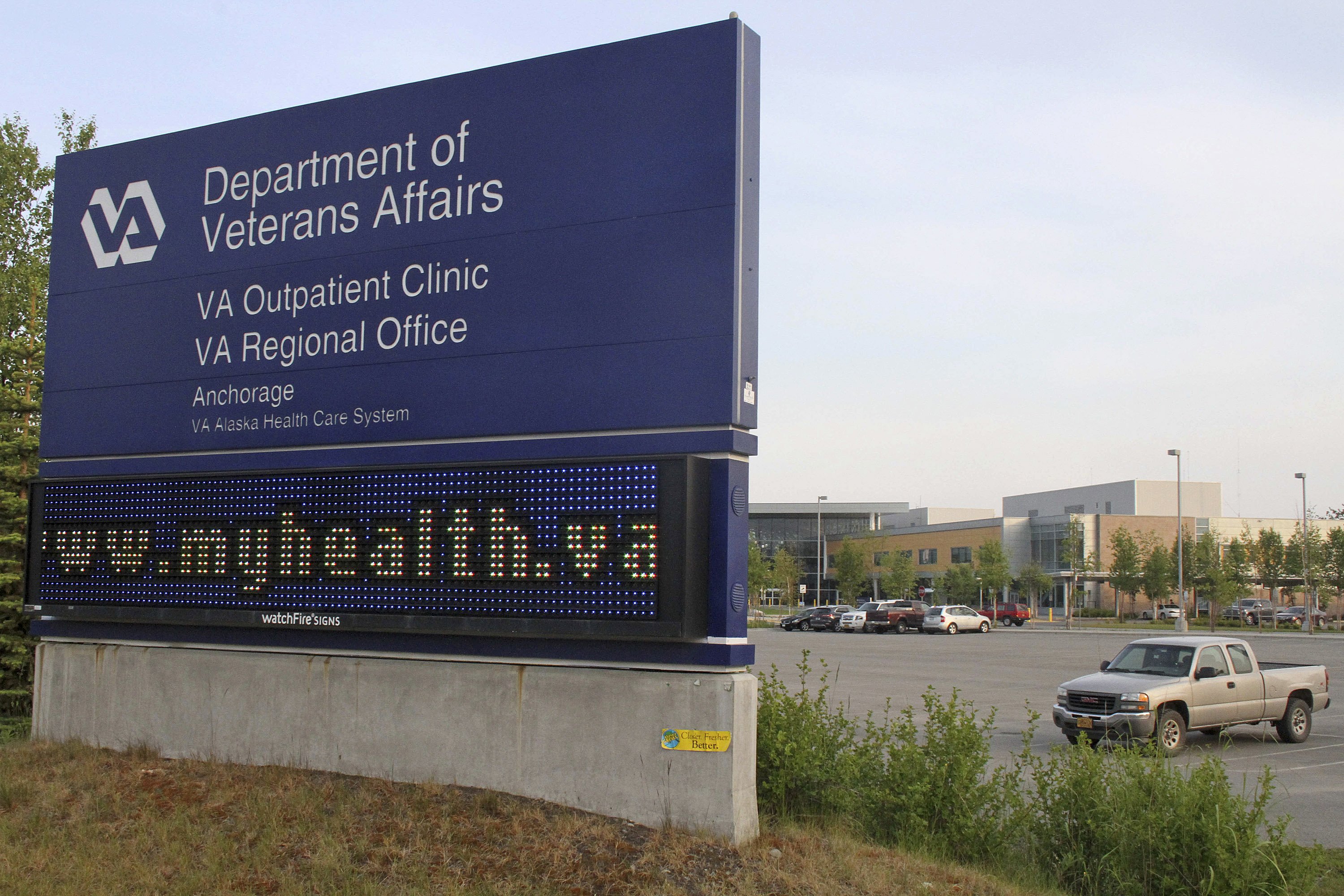
- The system that automatically awards disability benefits to some veterans could be crippling the Veteran Affairs Department budget -- That's according to Former Wyoming Senator Alan Simpson. Simpson is also on the President's Deficit Commission. The benefits are awarded to Vietnam Vets who were exposed to Agent Orange -- the herbicide used by the US military during the 13-year war. Agent Orange has be proven to be a factor in contracting Hodgkin's disease, soft-tissue cancers and non-Hodgkin's lymphoma. But there's a problem -- an Associated Press report found diabetes was the most frequently compensated ailment among Vietnam veterans -- even though decades of research couldn't find a link between Agent Orange and diabetes. The cost to supply the automatic benefits for diabetes is at least 850 million annually. Navy Times reports, that there is no final word yet whether the automatic benefits issue will be part of the President's deficit commission. But Simpson stresses that a change needs to be made.
Check out all of Federal News Radio's coverage of Defense issues here.
Written by
obranco
September 1, 2010
1 Comment
New information from lawyer of Wikileaks suspect
For months we've been telling you about Private Bradley Manning -- the main suspect in the Wikileaks case.
Manning allegedly gave tens- of-thousands of Afghanistan War Documents over to the Wikileaks website.
But now for the first time we are getting a glimpse into the reason why Manning may have leaked the documents. CNN's Brian Todd sat down with Private Manning's attorney and he came on the Dorobek Insider to talk about interview.
More efficient and faster air transportation system
It's been a big week for aviation -- the first flight using the Next Generation air transportation system took off from Dallas and landed at Bradley International Airport in Windsor Locks, Connecticut.
NextGen is designed to make flying smoother, faster, more efficient and faster. The change includes switching from an air traffic control system based on ground transmitters to using satellites and GPS technology in planes.
Mark Gerencser is an executive vice president at Booz Allen and Fred Messina is a transportation advisor at Booz Allen. They joined the Dorobek Insider to talk about the NextGen project and how it can alter how we travel in the future.
For more information on NextGen, check out the FAA website.
1
2
3
4
5
6
7
»